
In this interview, we are joined by Zheng Hao, founder of a Chinese private art museum dedicated to contemporary art production and creativity, HOW Art Museum. As the establisher of this museum, Zheng describes his management strategies for successfully operating a private art museum. He then reveals how a record-breaking number of attendees for the exhibitions held at HOW was achieved and how so many passionate young artists have been assisted by the museum to present their works of art. Lastly, Zheng mentions his upgrade of the art hub at HOW and explains why building a thriving art community is a way to promote art from the region.
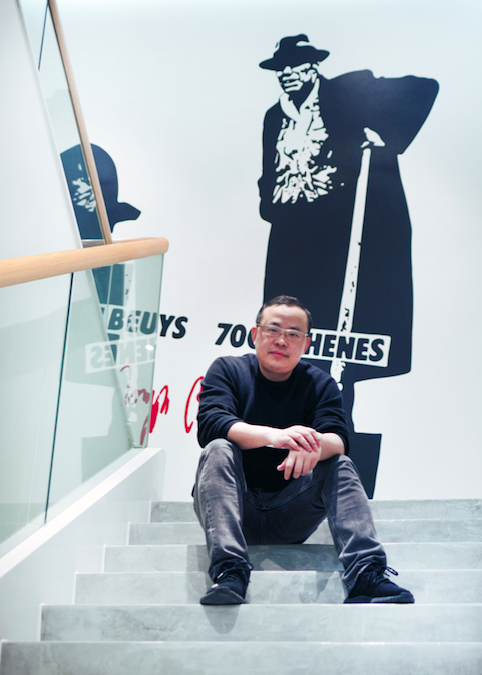
▲Founder of HOW Art Museum, Zheng Hao
HOW Art Museum
HOW Art Museum consists of two places, namely HOW Art Museum (Shanghai) and HOW Art Museum (Wenzhou). Having opened in 2017, HOW Art Museum (Shanghai) is the first “Night Art Museum” in China. In-depth presentations of contemporary art exhibitions are actively featured here along with many dynamic programmes that include HOW Art Camp, HOW Lecture, HOW Families and more, ensuring that the museum has become and will remain a bubbling art scene for the Chinese museum-goers who now enjoy its ambience.
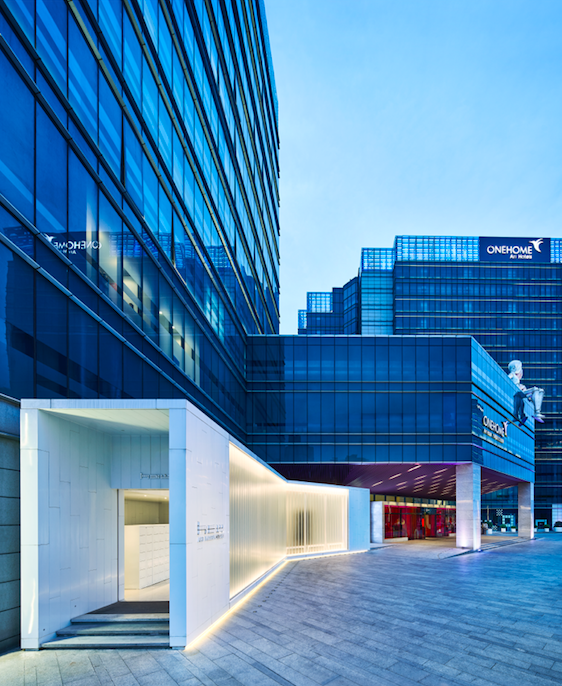
▲HOW Art Museum (Shanghai)
“It’s like a sandwich. Visitors have three floors to go.” Zheng tells us.
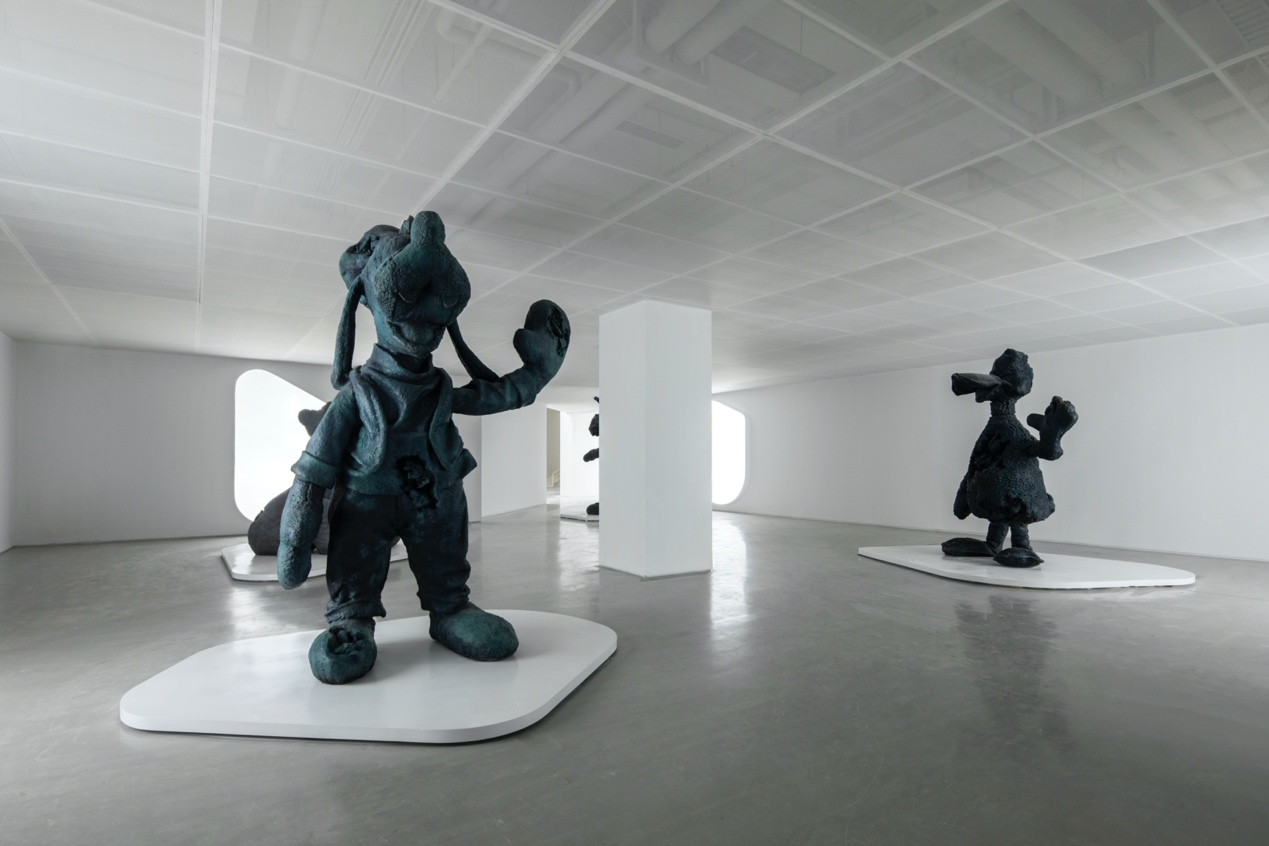
The huge building of 75,348-square feet features three floors of exhibition space, and has held many predominant exhibitions attracting some 400,000 visitors. This summer, exhibitions at HOW Art Museum include the renowned American contemporary visual artist Daniel Arsham’s first solo exhibition in China,Perpetual Present, a deep representation of work by crucial postwar figure Joseph Beuys and a group exhibition Serious Games. “In this way, we develop an innovative approach to visually stimulating museum exhibitions, including academic exhibitions, experimental exhibitions and new-concept exhibitions across the three-story space,” Zheng says.
Of special interest, the museum also created a project called “HOW NOW plans” that is committed to increasing public access to the works of young asian artists through curating specialized shows on the third floor. Regarding this project, 60% of the artists come from China, while the others originate from the rest of asia.
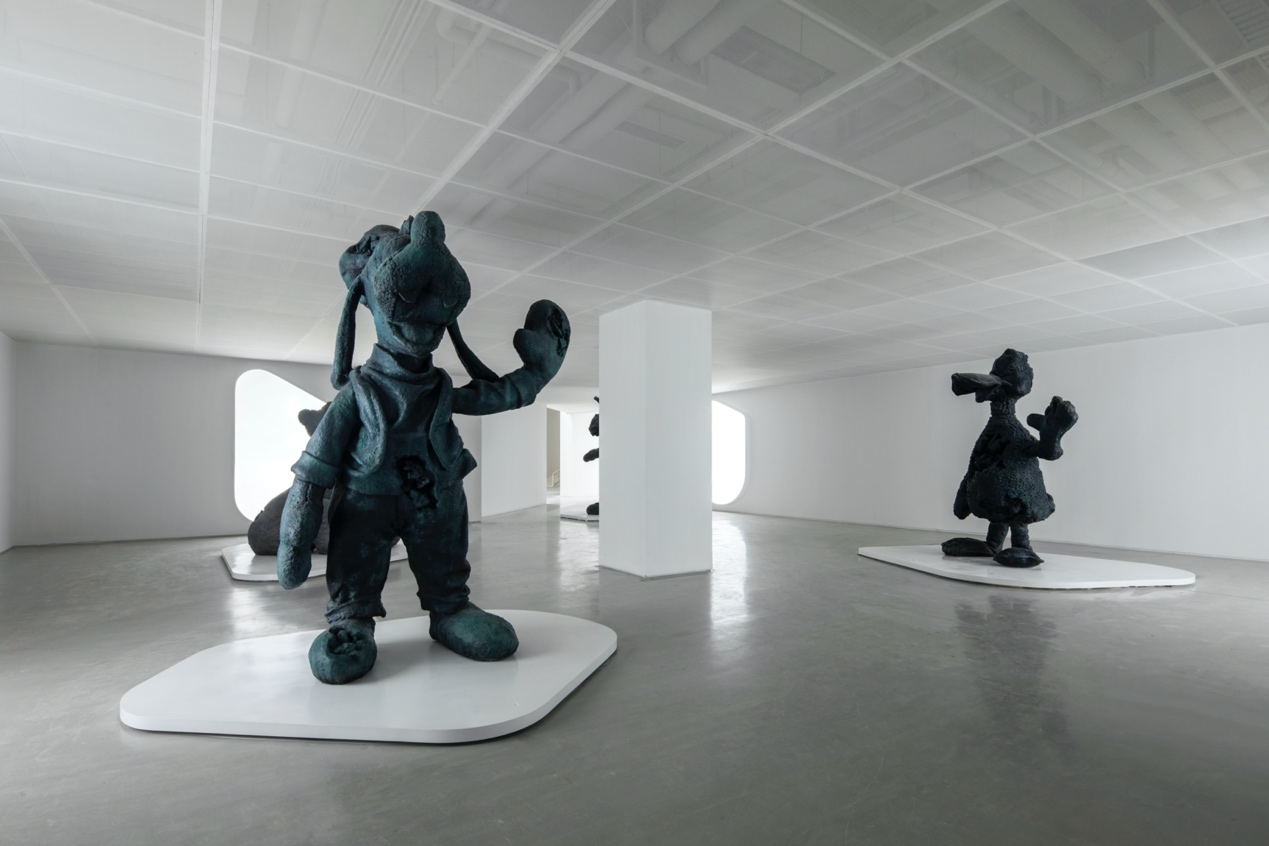
▲View of Daniel Arsham’s solo exhibition “Perpetual Present” at HOW Art Museum, Shanghai, China, 2019. Courtesy of HOW.
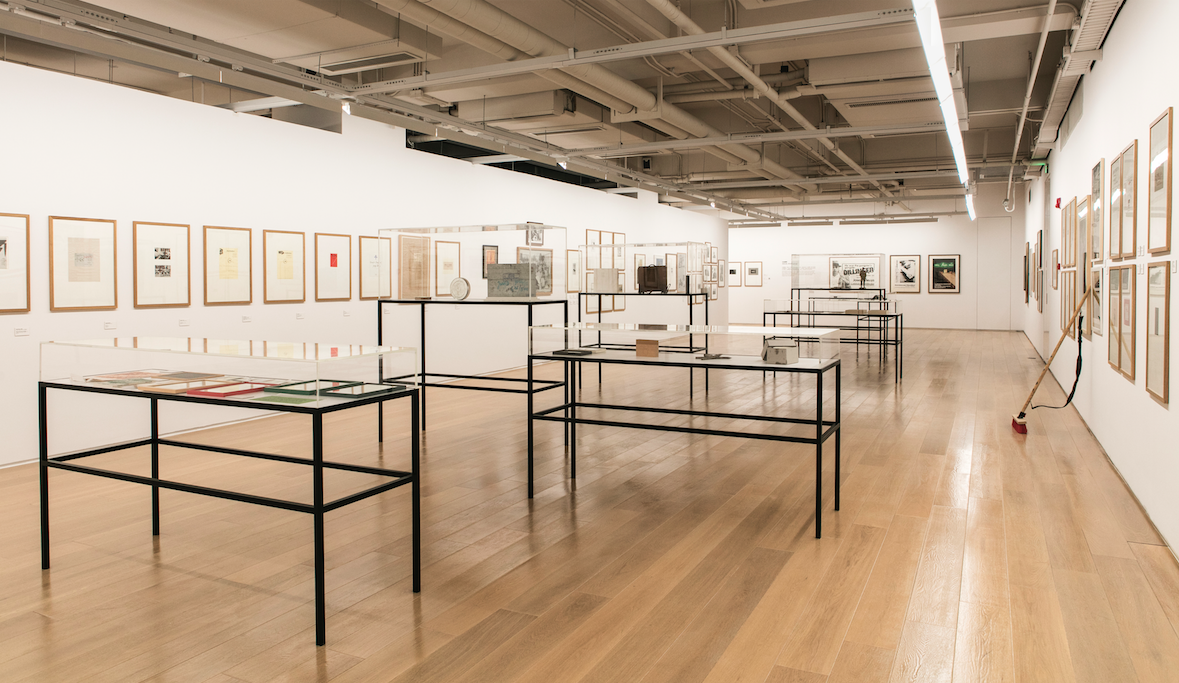
▲View of exhibition “Joseph Beuys” at HOW Art Museum, Shanghai, China, 2019. Courtesy of HOW.
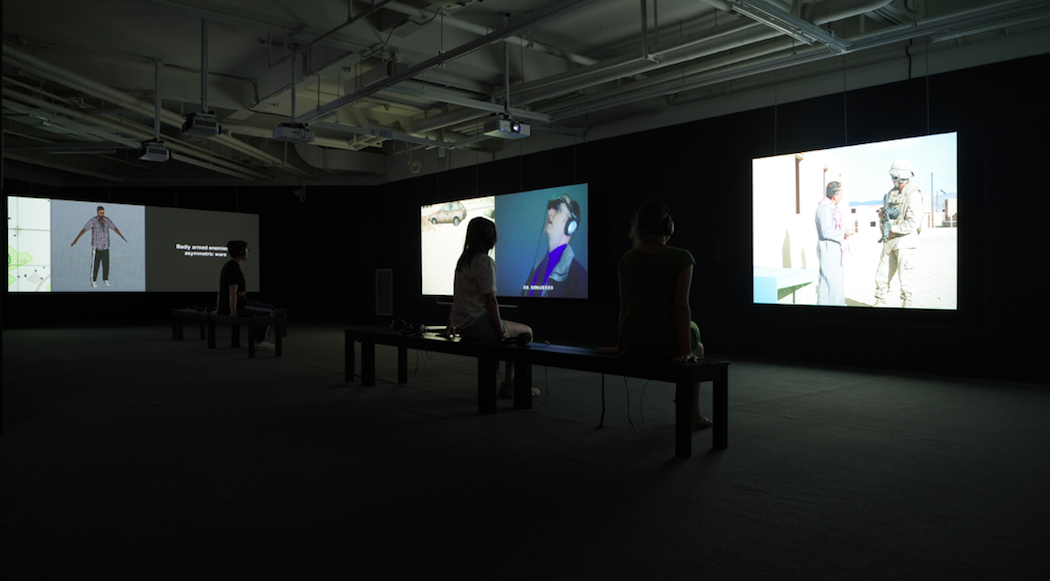
▲View of exhibition “Serious Games” at HOW Art Museum, Shanghai, China, 2019. Courtesy of HOW.
Aiming to fulfill HOW’s longtime mission of contemporary accessibility to the widest possible audience, Zheng pointed out that it is essential to provide in-depth, innovative and culturally diverse museum content for visitors to enjoy. This is why the museum has expanded the reach of its exhibitions into other related fields, such as technology, fashion, design and more.
“I want to establish and to advance entrepreneurship for the public interest in a very diversified environment, not just art.”
Founder’s note: “For me, a clear division of labor is important.”
Zheng Hao believes museum founders should have a clear vision of how much power they have to run a private museum. “Then we can plan a viable future for the museum according to our own ability,” he says.
In terms of management, Zheng Hao believes the division of labour is of great importance. For example, there is a clear line between founders and curators: Exhibitions and academics are the sole responsibility of the curator and the founder should not interfere too much. Curators' duties should be more focused on "the content of the exhibition,” while founders spend more time working on strategic issues.
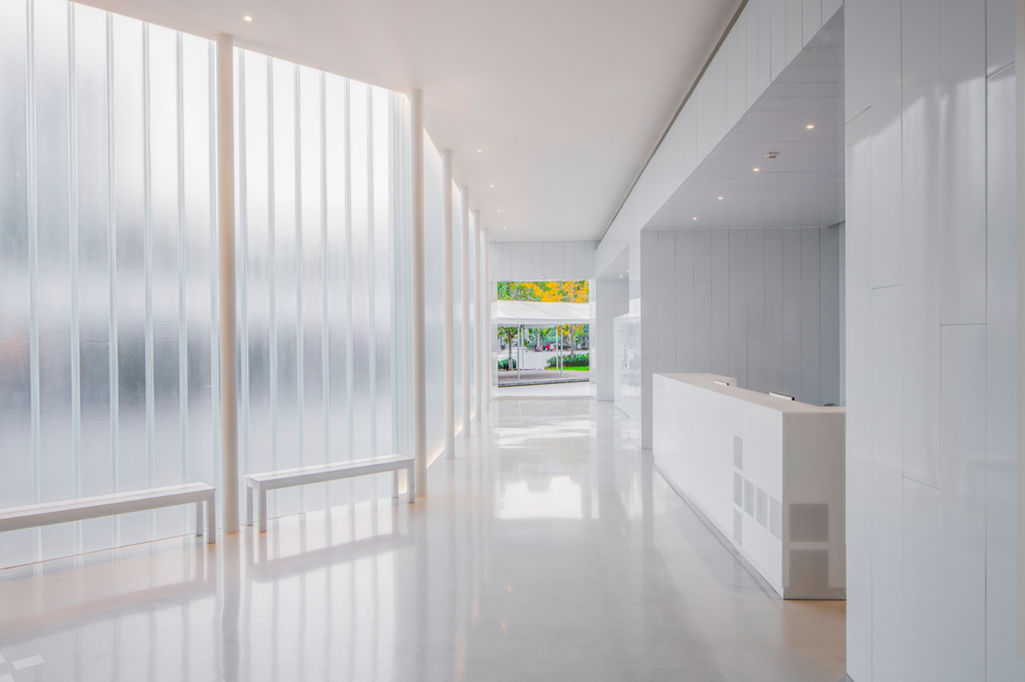
▲HOW Art Museum’s inner space
However, a founder faces two important and practical problems: First, how to rationalise the council framework. The second important issue is how to make the art museum sustainable, which involves money, talent and vision. "Put simply, the art museum team needs to worry about the independence of exhibition content and academics, while the commercial transformation is done by various commercial groups, which is also the responsibility of our founders,” Zheng states.
Art community as the core: “This is a public space, an artistic ecological space.”
The art community of the museum was fully upgraded not long ago and now covers an area of 60,000 square metres. This has successfully integrated 15 projects including art exhibitions, artist residence, art hotel, art apartment, art store and art restaurant. The new Z12 Mart, for example, opens on the first floor of the hotel, cooperating with a traveling French artist and another artist, Wang Yi to present a new immersive food space.
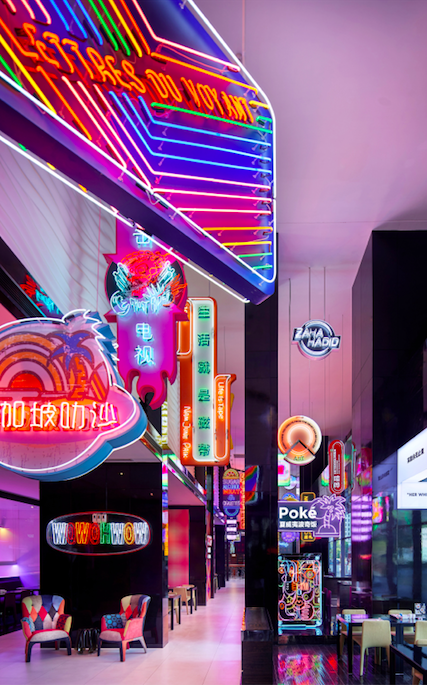
▲Z12 Mart
The blueprint for the future of the thriving arts community also includes many exciting innovations such as small libraries, outdoor art events, bookstores and immersive theaters. All the Spaces are interconnected to form a naturally flowing ring. So after viewing the art exhibitions, museum-goers can enjoy dining at the nearby art restaurant and stay in the luxurious hotel accommodation, where they can enjoy the art in their rooms for free. In this way, the museum offers a stimulating interactive experience to visitors.
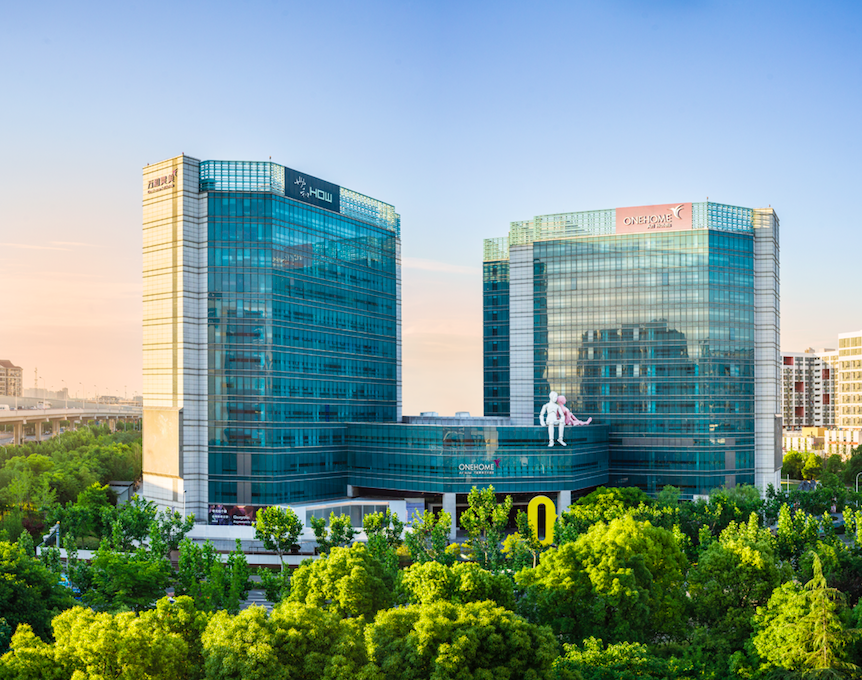
▲HOW Art Hub