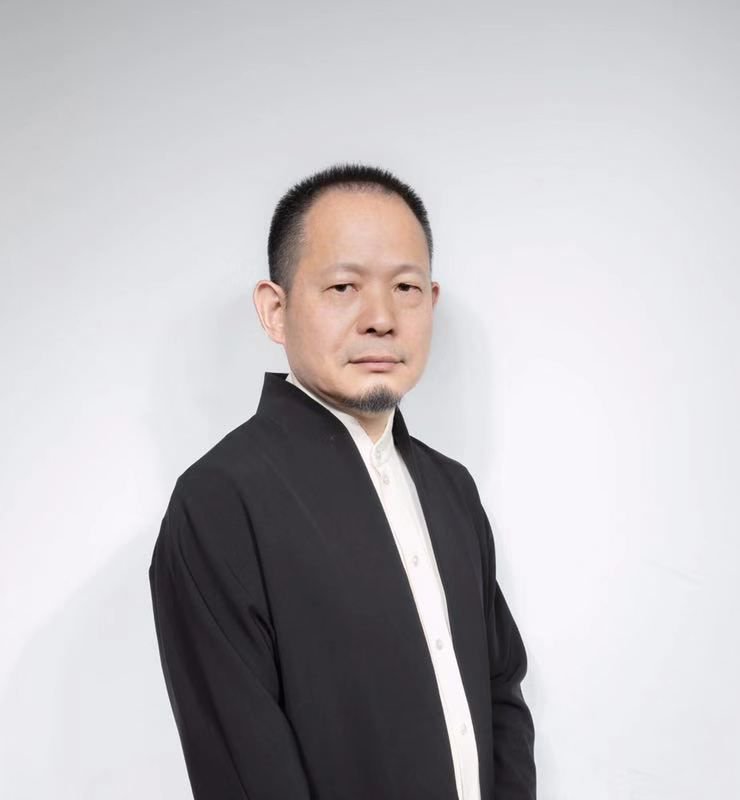

Dai Zhikang, one of the most famous Chinese art collectors, the founder of Shanghai Himalayas Art Museum, and the CEO of the Zendai Group, has turned himself into the Shanghai police and confessed that his online lending business “Laocaibao” and financial company “Zendaimoney” were referred for illegal fundraising.
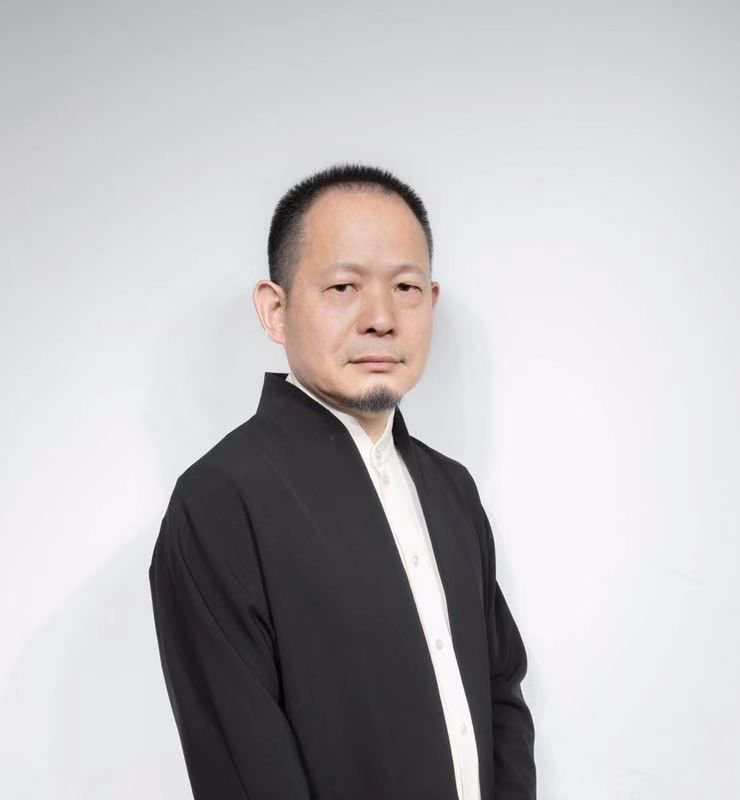
▲Dai Zhikang (戴志康)
On Monday, 12 August, as reported by the 21st Century Business Herald, 41 of Dai’s employees were ordered to be detained by police and the related assets were seized in the investigation. The case involved a total amount of 5 billion yuan ($700 million).
According to Shanghai Public Security Bureau, the case is further reconnoitering. Therefore, with Dai Zhikang’s financial fraud scandal, the road ahead has become challenging and problematic not only for the Zendai Group, but also for the art museum.
“I have strong faith in P2P,” said Dai before. However, he is now stuck in what he used to believe in.
Once a legendary figure in Chinese A-share market who made it into the Forbes Billionaires List several times, Dai was also active in the Chinese art market. He started to engage in high-end art business in 2006, initially because of the inspiration of the Emperor Song Huizong’s paintings in Qing dynasty. For Dai, the most impressive work of the emperor are the paintings, Thousand Character Classic in Cursive Script and Auspicious Cranes, which he first saw at Beijing Poly International Auction. After that, he committed himself to collect Chinese artworks, featuring precious pieces by Xu Beihong, Li Keran, Dong Qichang and more. Up to now, the estimated value of his collections is more than 1 billion yuan ($140 million).
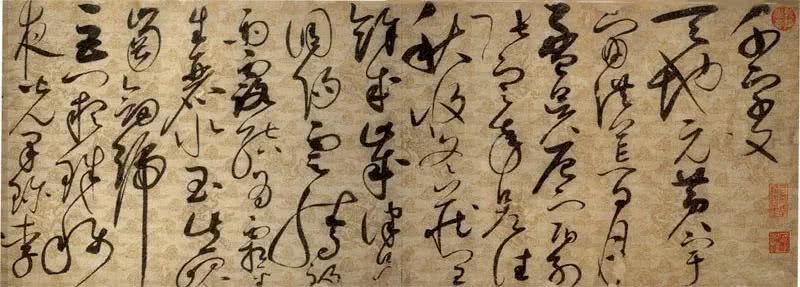
▲Handscroll, ink on paper, 33.5x 1127 cm, Liaoning Provincial Museum,Shenyang
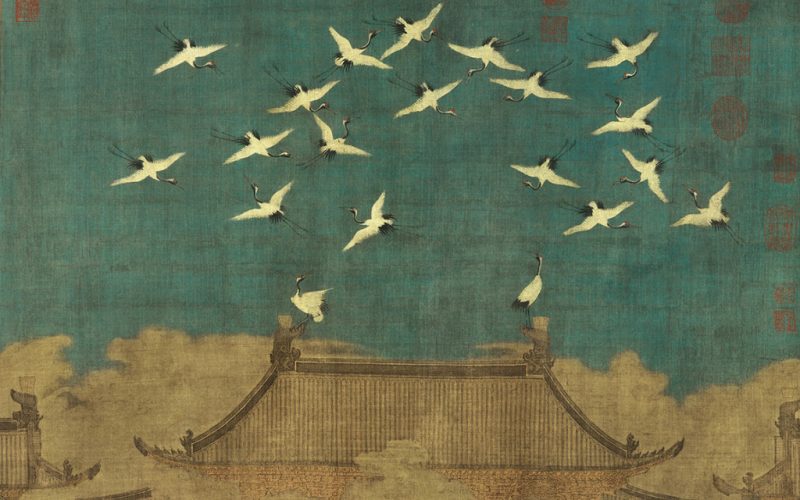
▲Handscroll, ink and color on silk, 51 x 138.2 cm, Liaoning Provincial Museum, Shenyang
The Chinese landscape painting was Dai’s favorite. He has the greatest passion for calligraphies and paintings in Song-Yuan-Ming-Qing dynasty as those works of art are imbued with strong traditional humanistic spirit.
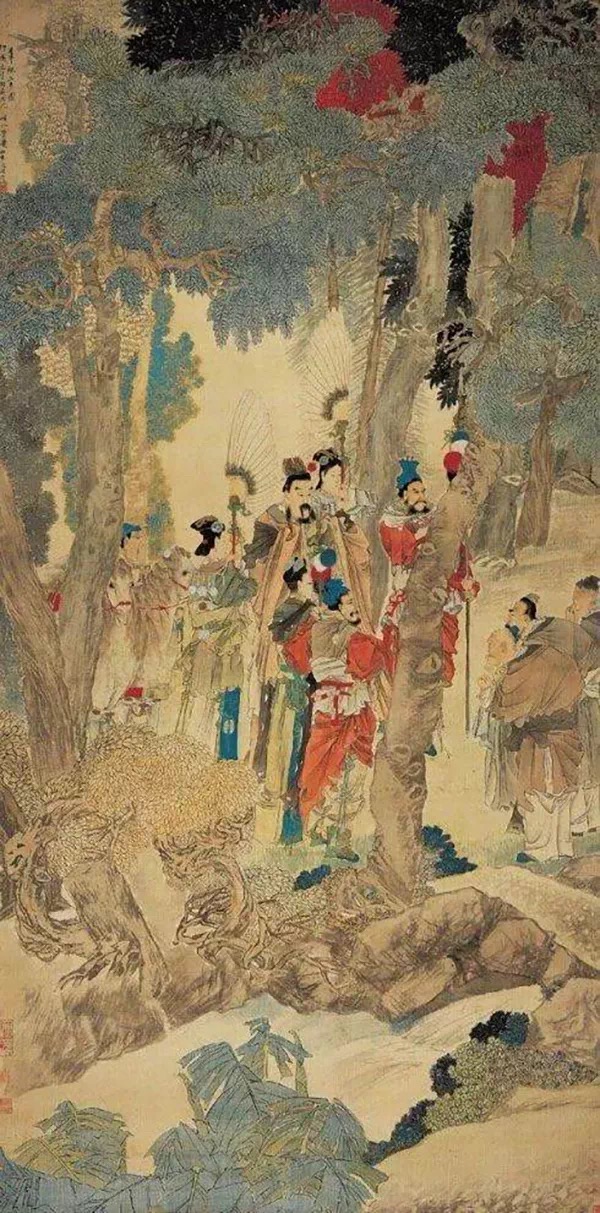
▲Dai Zhikang’s collection: Ren Bonian, Hua Zhu San Duo Tu
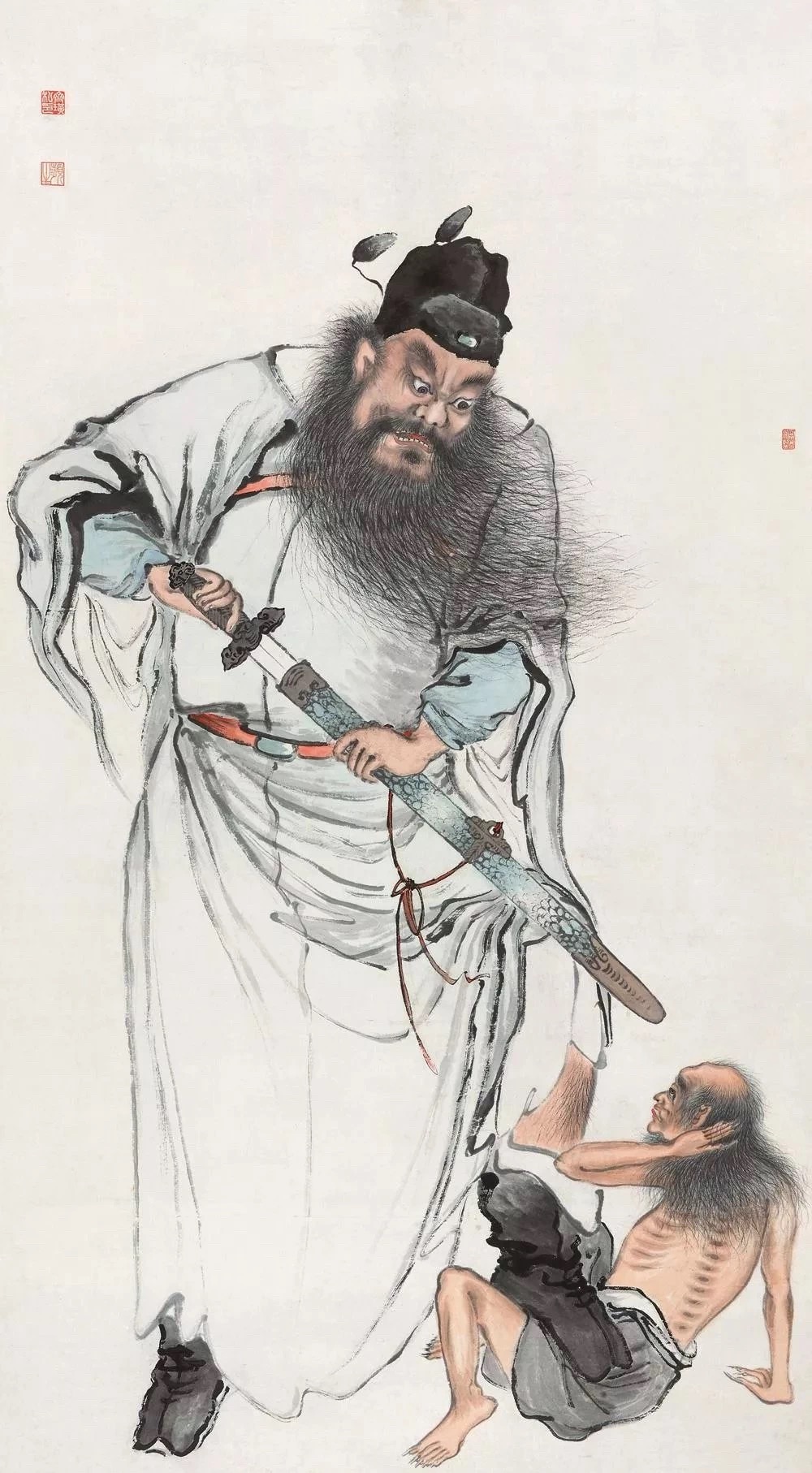
▲Dai Zhikang’s collection: Qi Baishi, Zhong Kui Zhan Gui
Dai purchased little Chinese contemporary artworks because he thinks, at current stage, Chinese contemporary art is more or less subject to western definition and criticism. That’s why, he narrowed the scope of his collection to a set of Chinese calligraphy and painting masters’ artworks, such as Xu Beihong and Li Keran. In order to express his affection in Chinese classical art and culture, Dai decorated his office at the Himalayas museum with Xu Beihong’s painting, Lion.
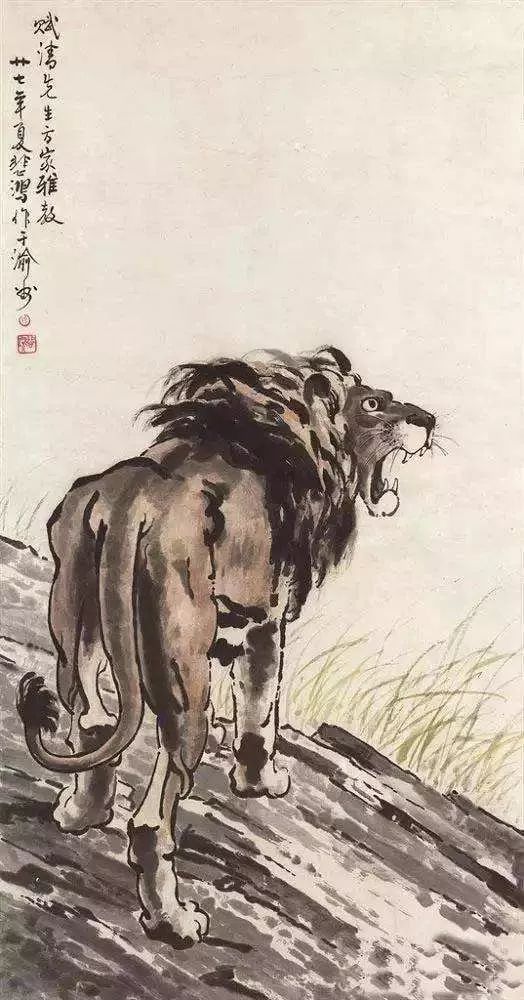
▲Xu Beihong, Lion Scroll Painting
Dai was also interested in western great masters’ modern art pieces and he was actively involved in western art collection. In 2000, Dai spent 2 million yuan ($280 thousand) on one of French sculptor Auguste Rodin’s sculptures, The Thinker. Soon after, in 2002, he spent another 3 million yuan ($420 thousand) on a sculpture from French sculptor César Baldaccini, the Bronze poli sculpture.
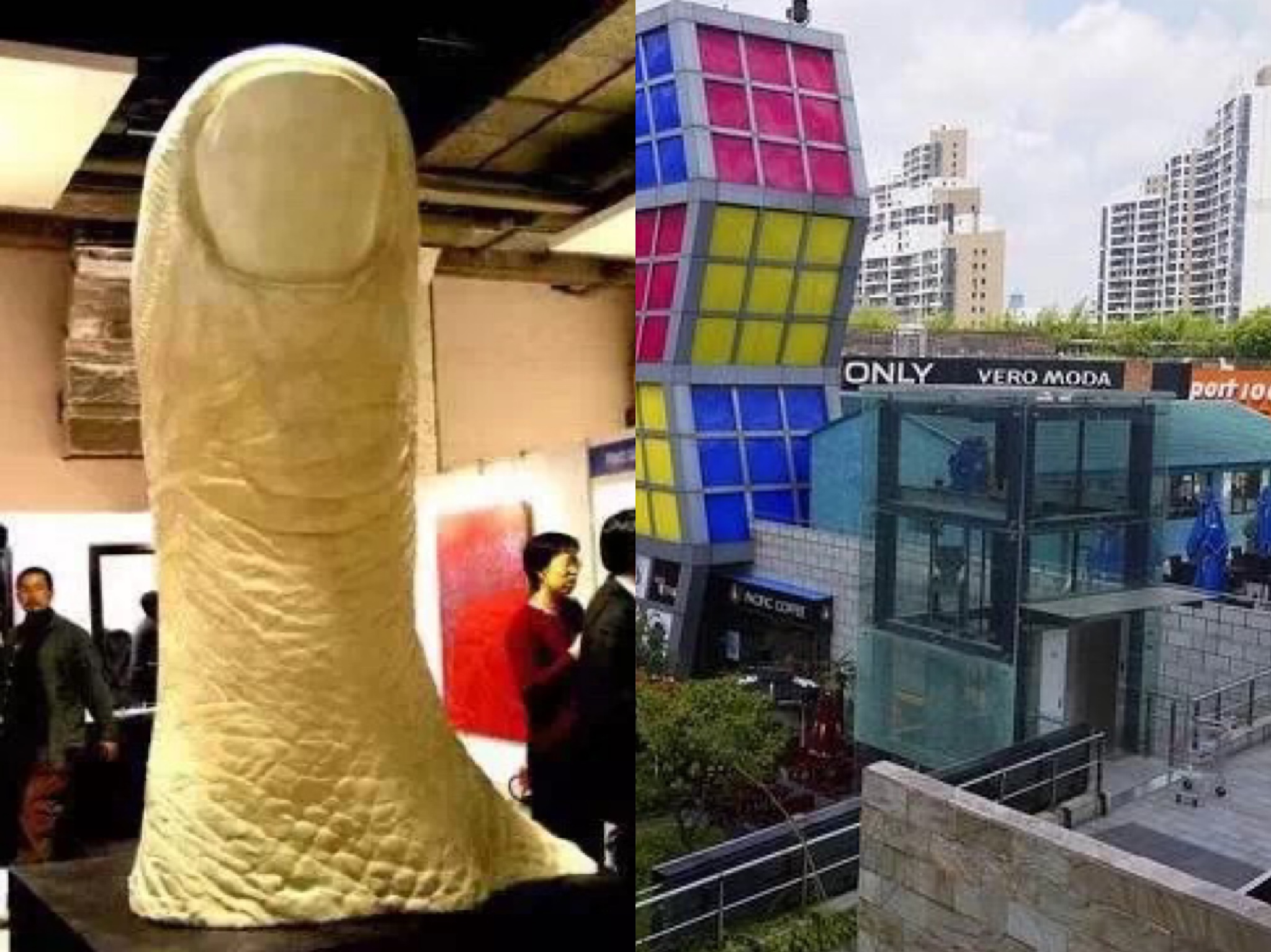
▲Dai Zhikang’s collection: Bronze poli sculpture; Dai Zhikang’s real estate: Bronze poli Sqaure
Two years later, Dai attended the Venice Biennale for the first time as patron. After returning to China he began to establish and run his own private art museum —— Shanghai Himalayas Museum.
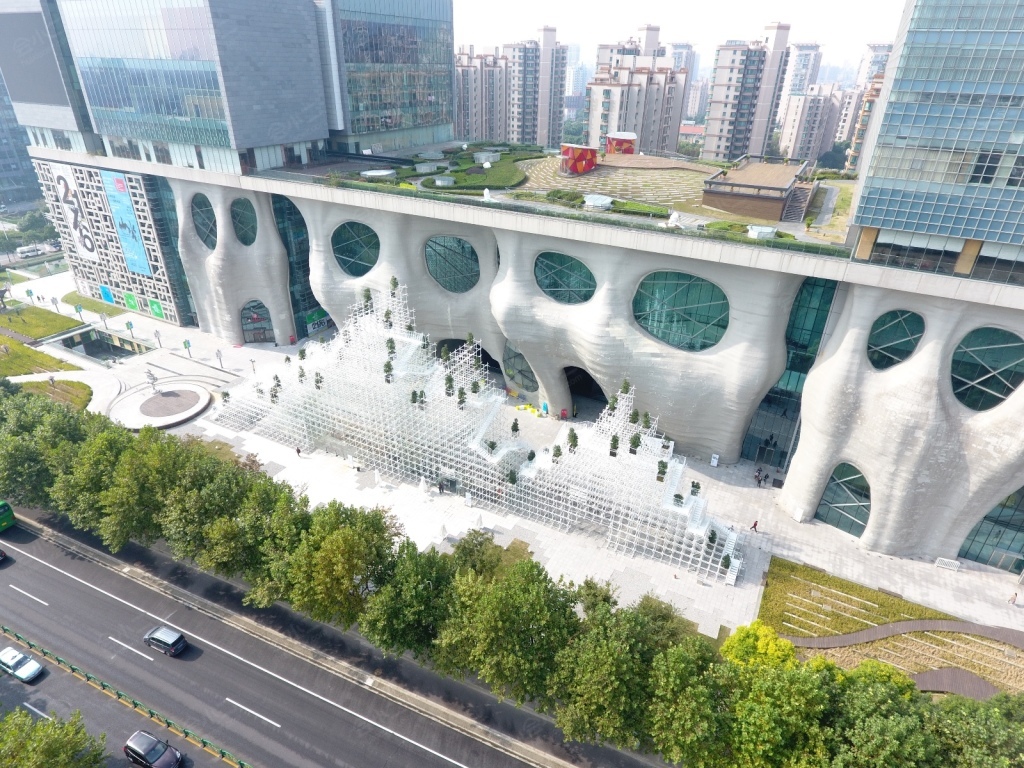
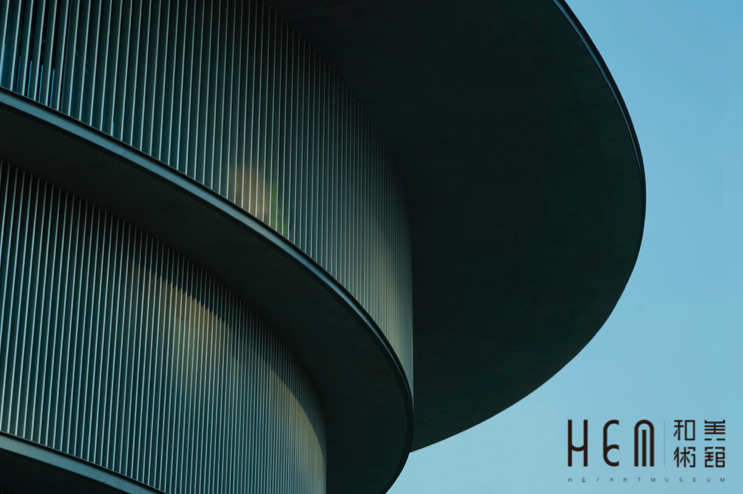
▲Shanghai Himalayas Museum
Founded by Zendai Group in 2005, the Himalayas Art Museum is a private museum dedicated to culture and art development, presenting art exhibitions, collections, art education and other art related contents. Since 2011, the museum featured a variety of International art exhibitions, events as well as projects, including “Designing Design/ The Exhibition of Kenya Hara in China 2011”, “2014 John Moores Painting Prize (China) Exhibition”, “Miracle: The Bellini Family and the Renaissance” and more, which demonstrated the strong vitality of an international art hub in Shanghai, China.
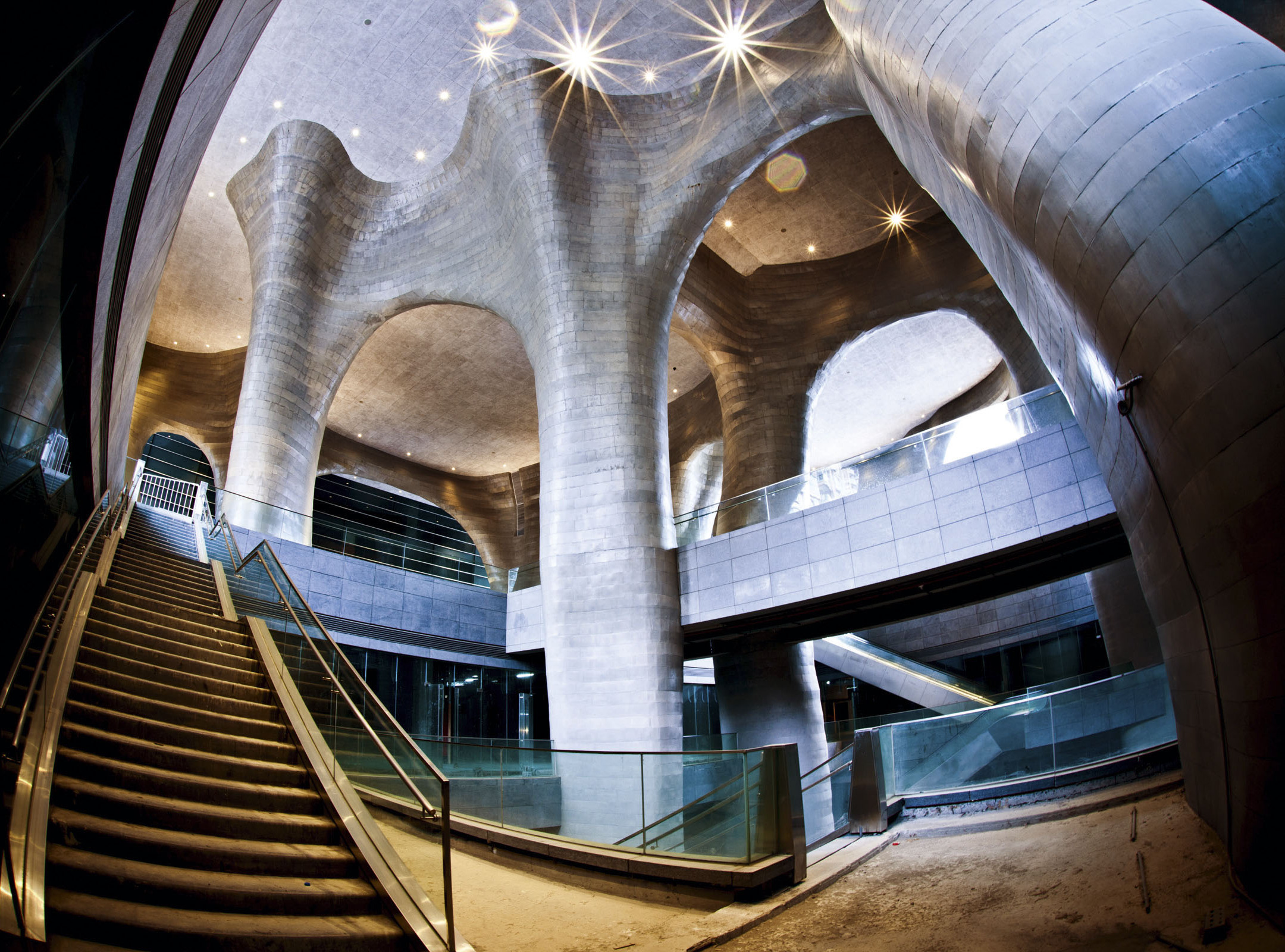
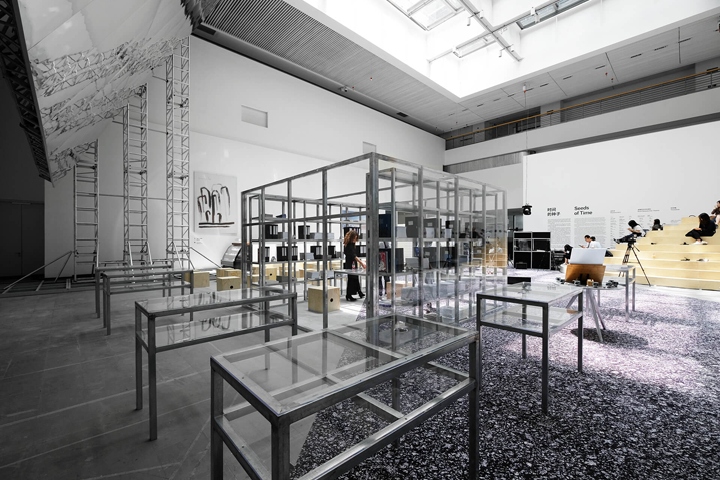
▲Shanghai Himalayas Museum’s inner space
Although Dai and his groups have been involved in the financial fraud cases for over a month now, so far everything at Shanghai Himalayas Museum is looking good. However, the future of Dai’s art assets remains to be seen.