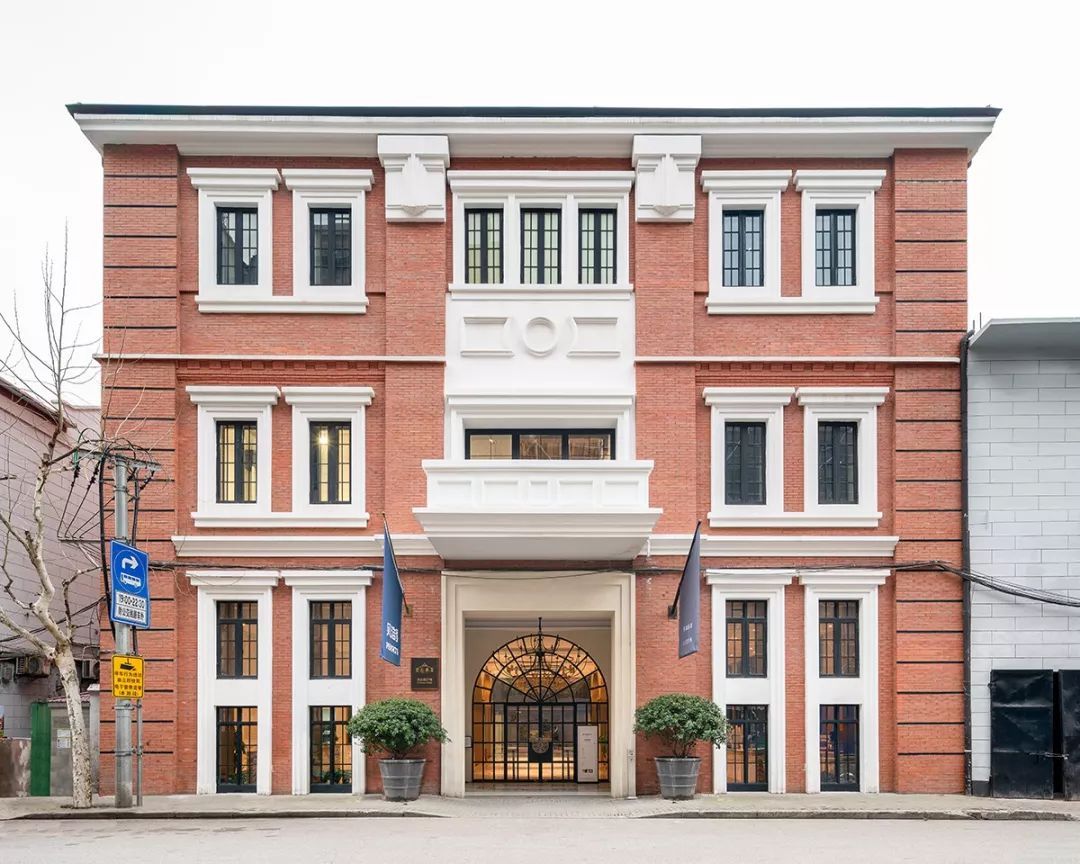

Located on 27 Huqiu Road, the city’s Bund quarter, the historic three-story brick building, Amber Building is Shanghai’s emerging and electrifying art space. The Amber Building was built in 1937 and, during the Republican period, was a warehouse of the Central Bank of China. The architecture originally had three floors, but an additional two floors was added after several reconstructions, accumulated to a total of five floors. For numerous reasons, the house stood empty for a few years.
In 2018, upon the owner of Amber Building’s invitation, Shanghai Kingwoo Strategy & Design Company redesigned the mansion by creating and expanding room configurations, such as its lobby, corridor and courtyard. The building was transformed into a public landscape with an artistic atmosphere, which attracted renowned western galleries to build their portfolio in this place.In the past two year, both Lévy Gorvy and Hauser & Wirth flocked to the building and opened their offices there.
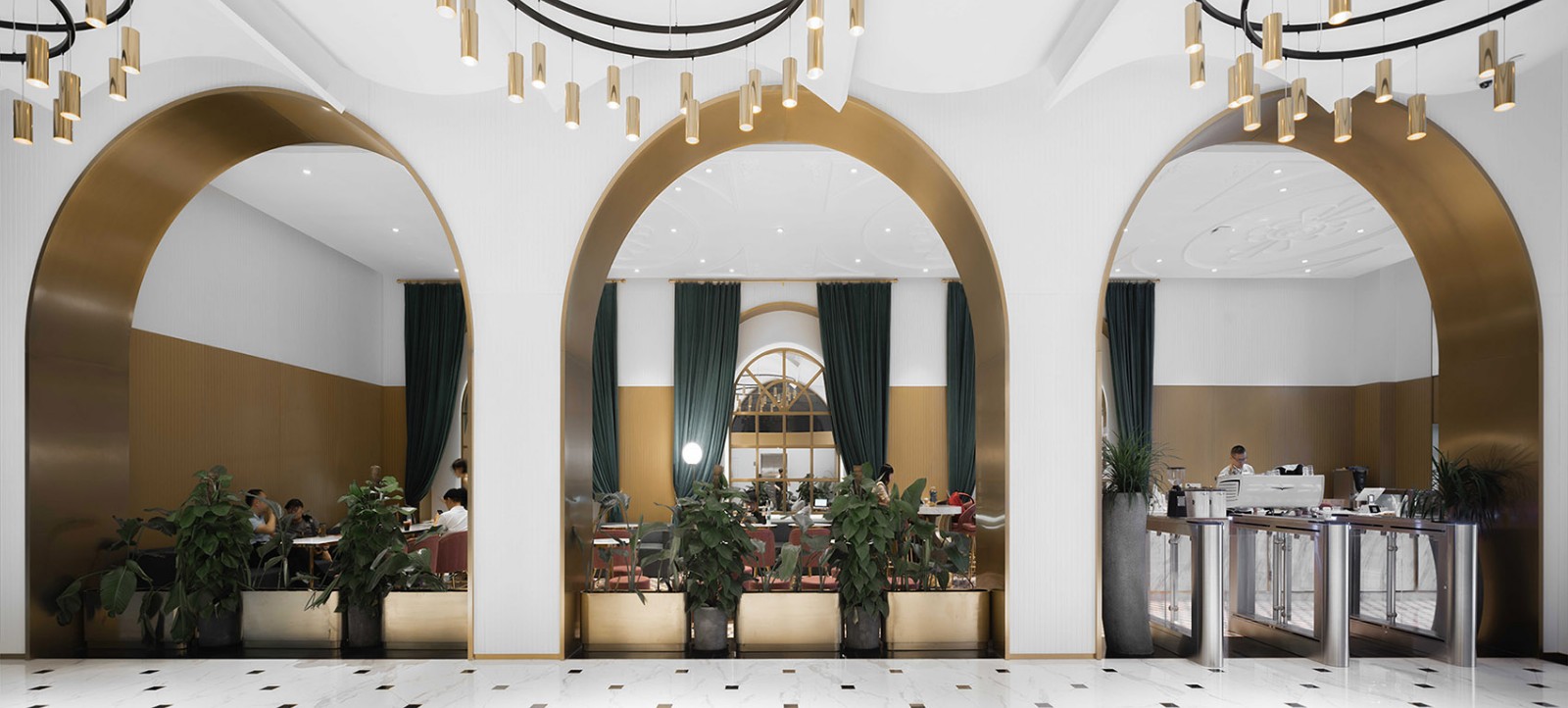
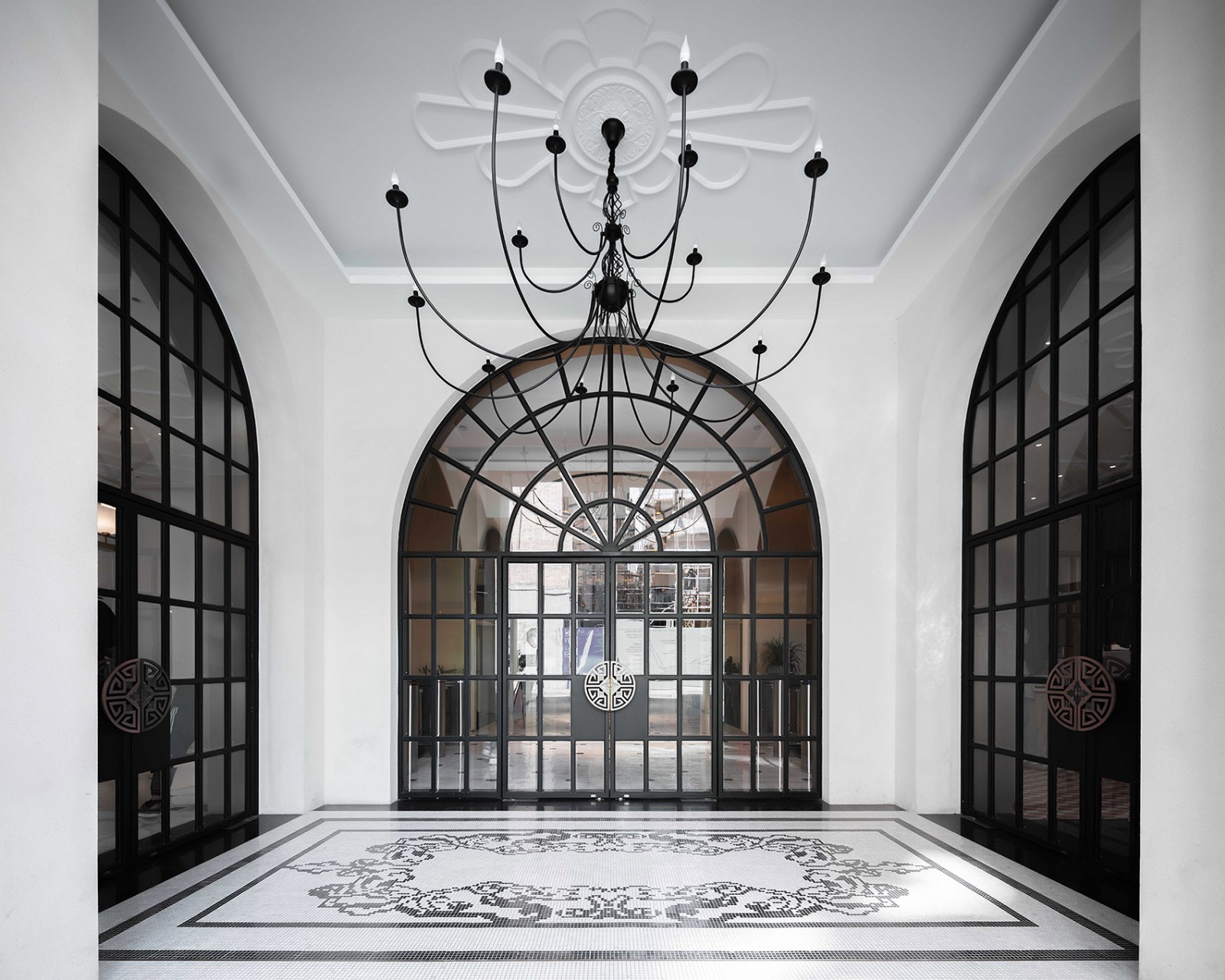
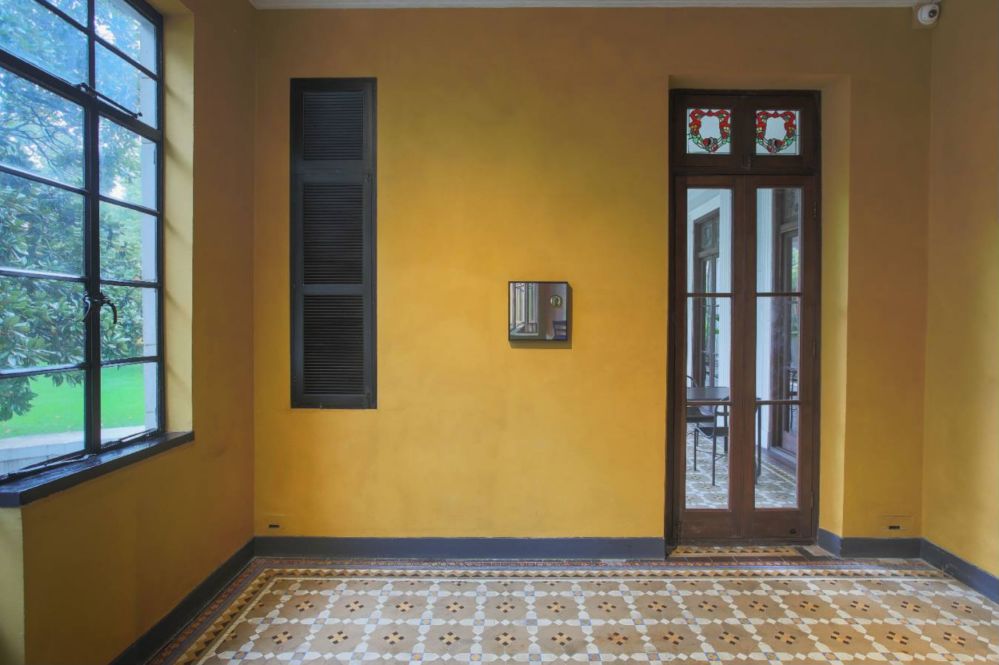
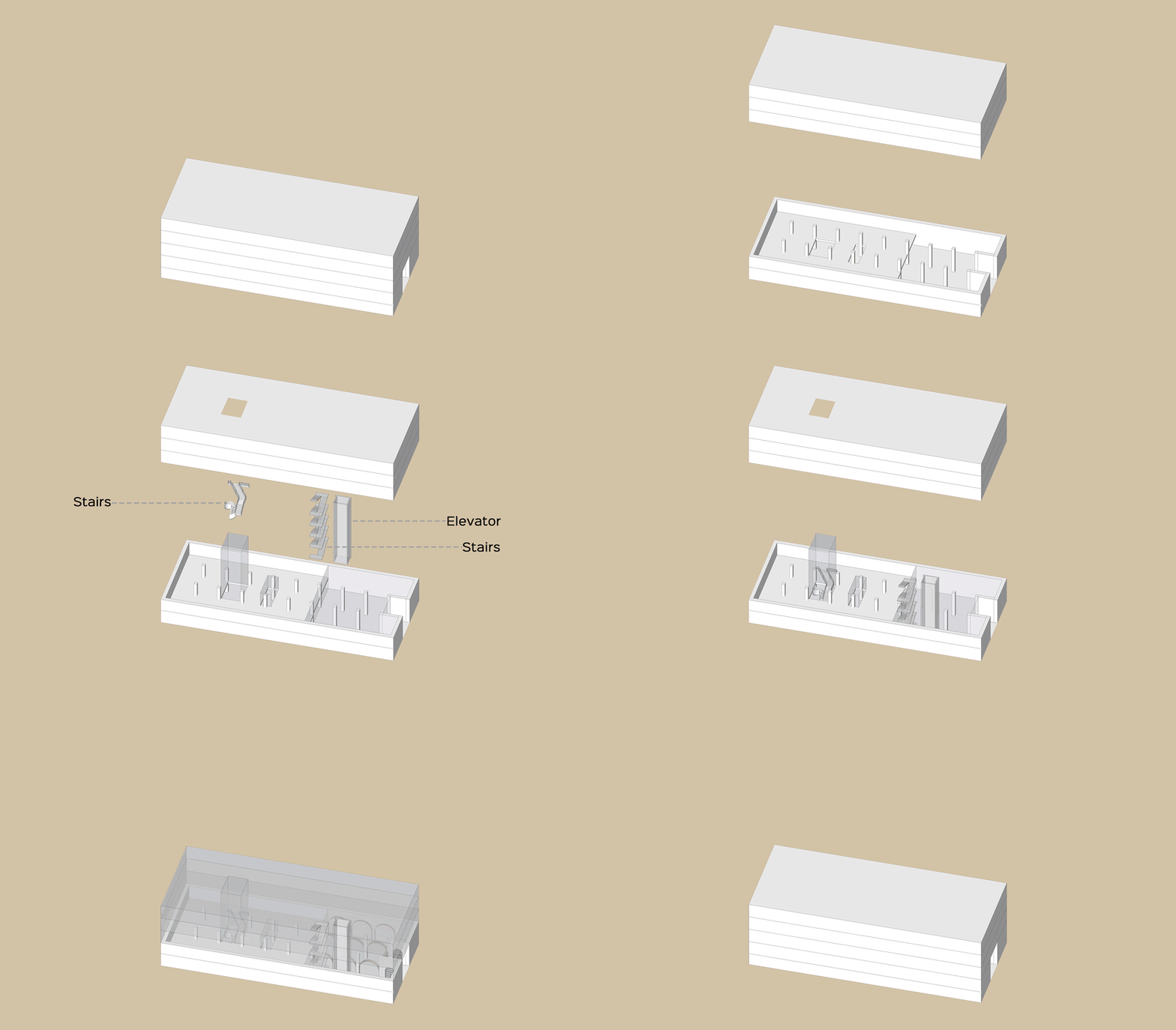
▲Amber Building’s inner spaces
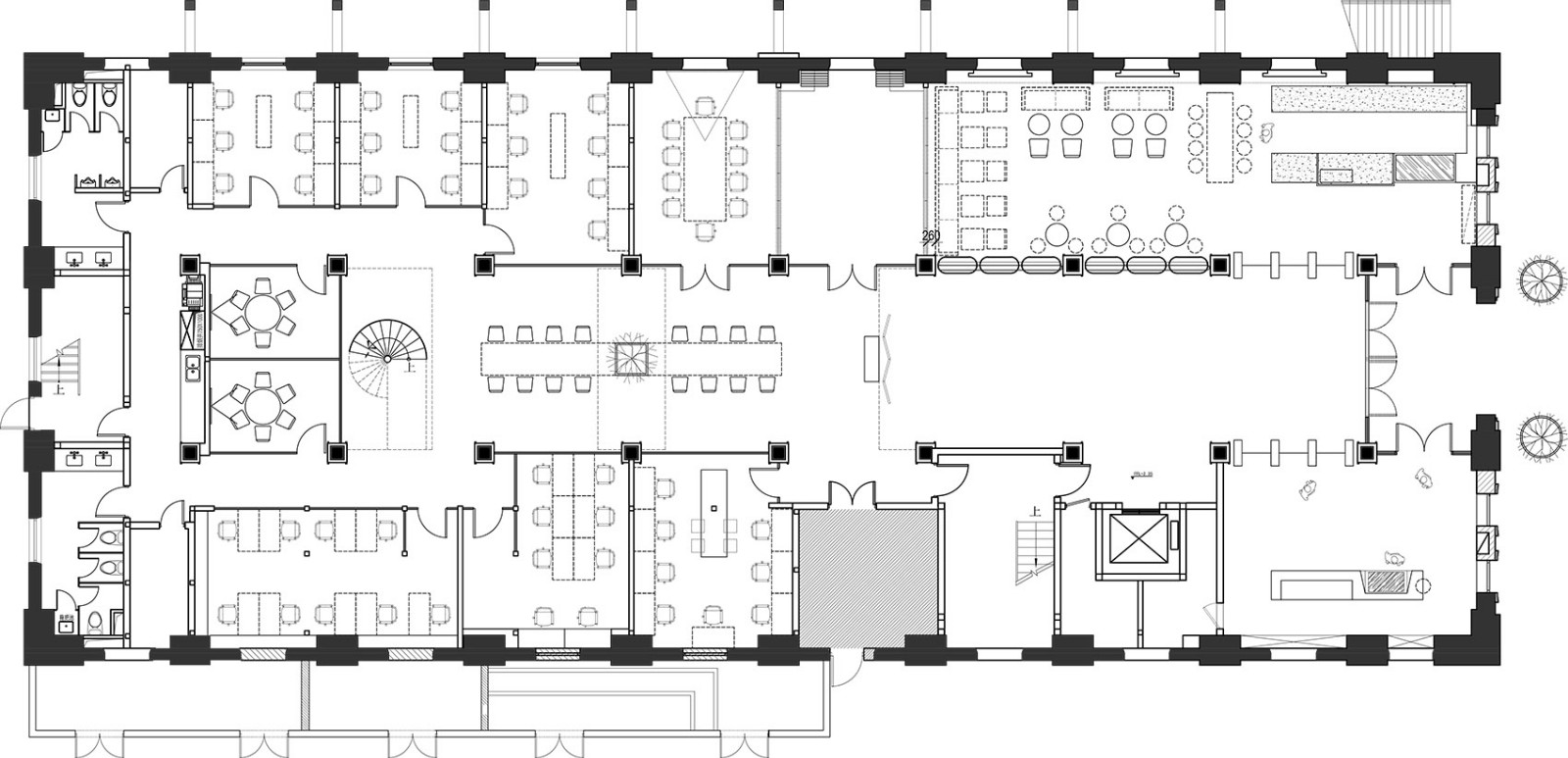
▲First floor plan
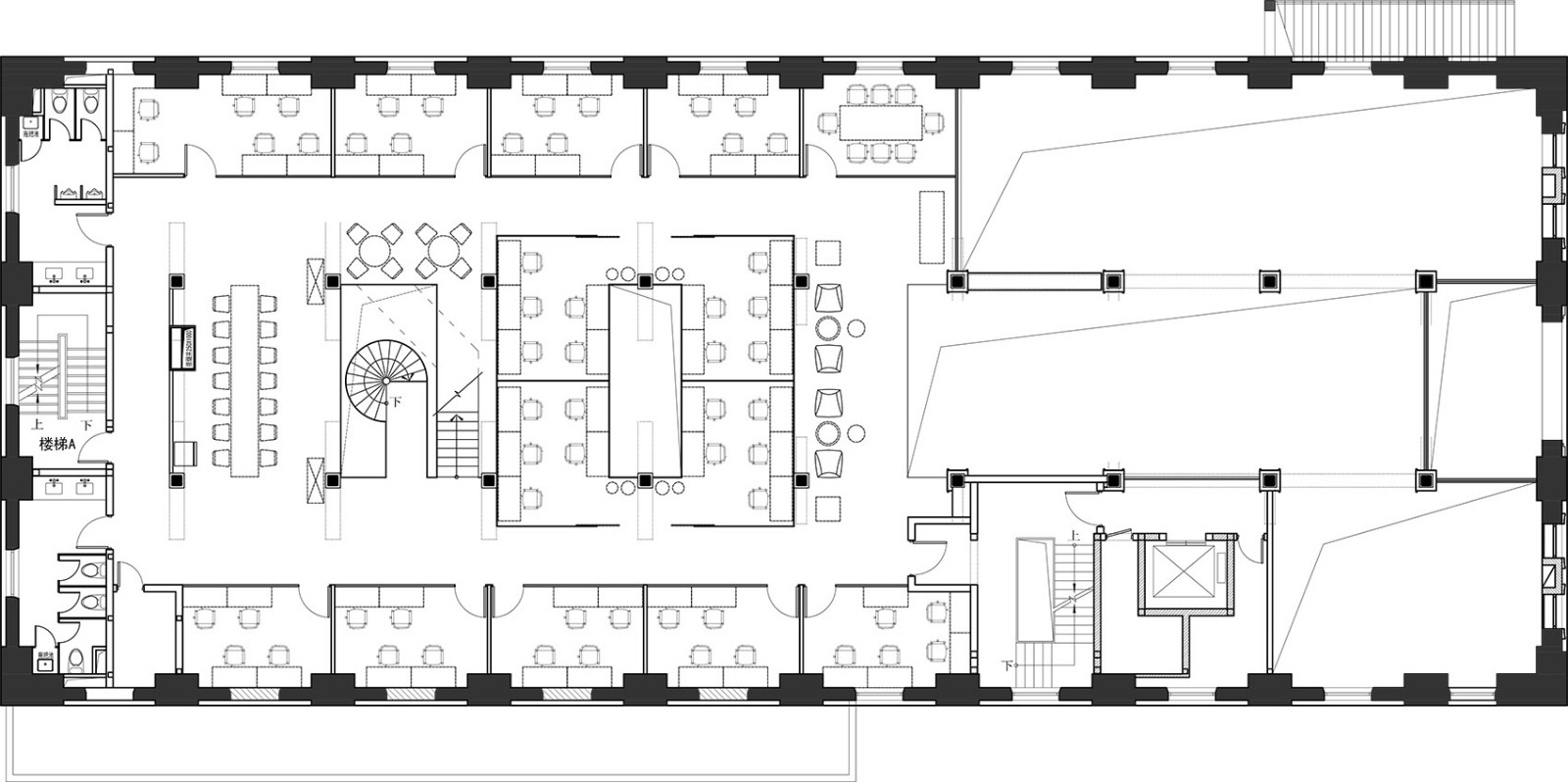
▲Second floor plan
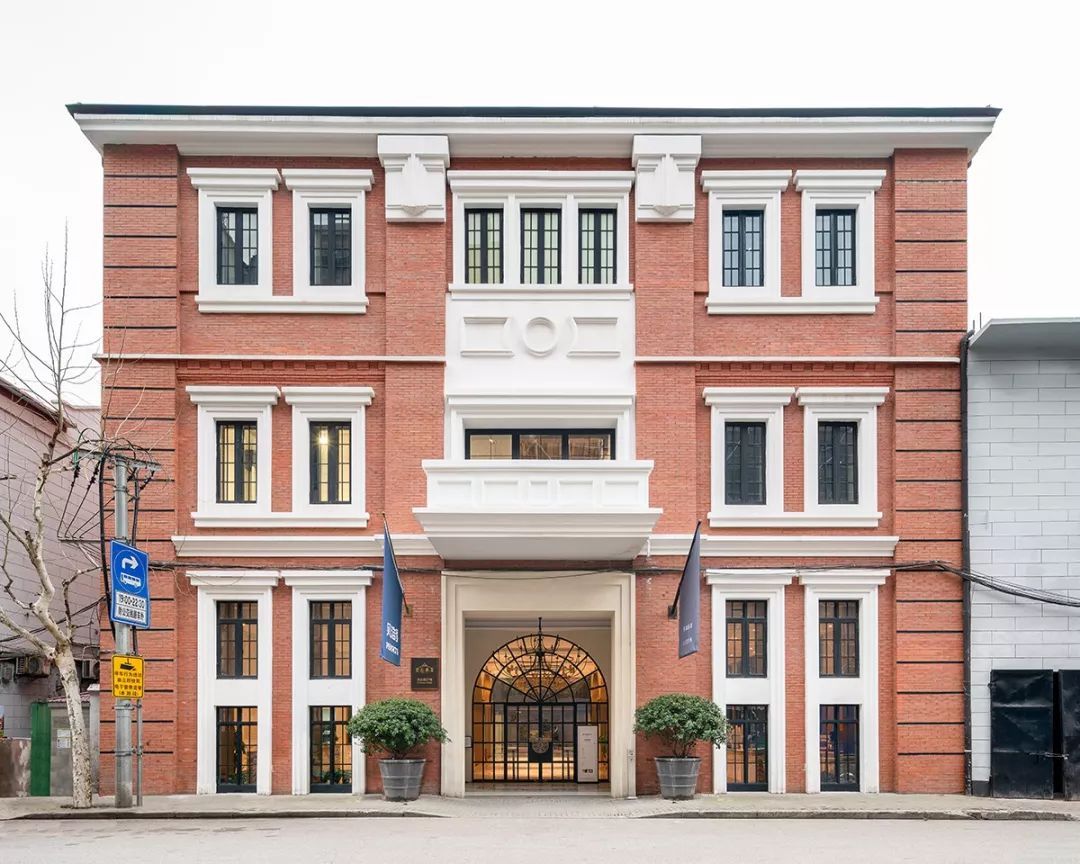
▲the Amber Building
The contemporary gallery Perrotin, which occupies the architecture's top floor, is the first art institution to officially set up an outpost in Amber Building in 2018. In interviews, Perrotin Shanghai’s director Zhu Yu points out that the interior structure of the building is very suitable for arranging exhibitions, as the gallery has a high ceiling with a height that stretches up to six meters, and covers about 1,300 square meter. It also includes a mezzanine and several exhibition rooms. The spaciousness of the galleries creates an unforgettable experience for visitors and heightens their senses. After Perrotin’s move to the building, the area drew heavy media attention and subsequently, other art institutions like the Rockbund Art Museum, also decided to explore and settle some of its offices in the creative hub.
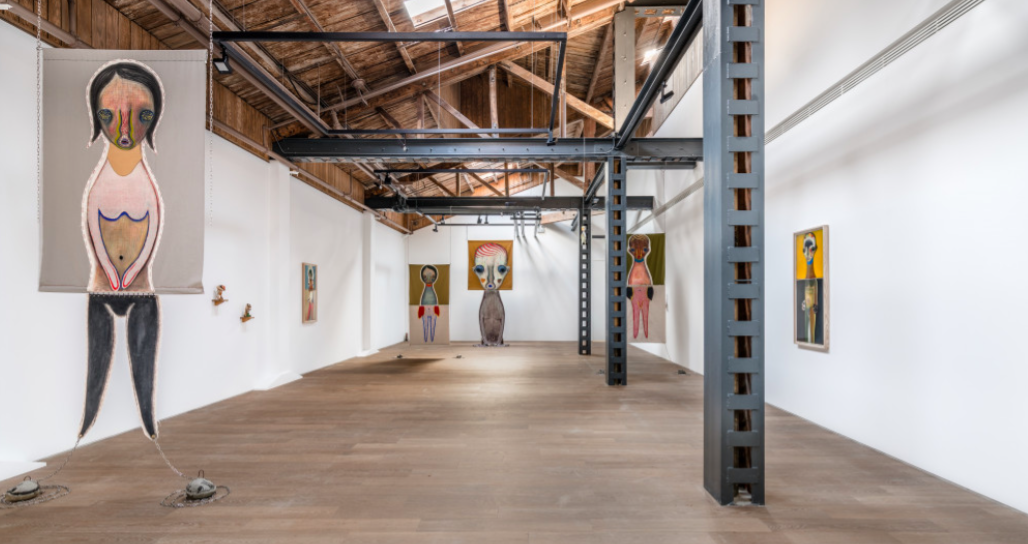
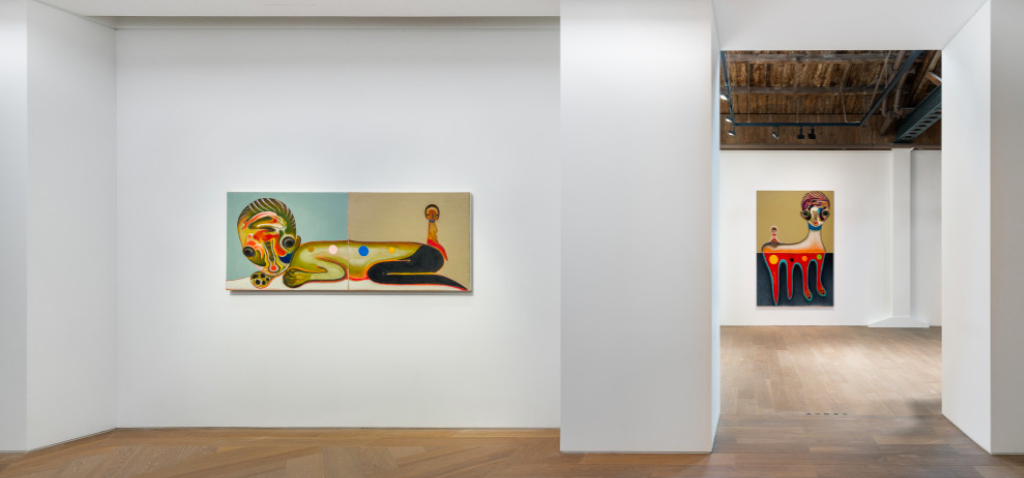
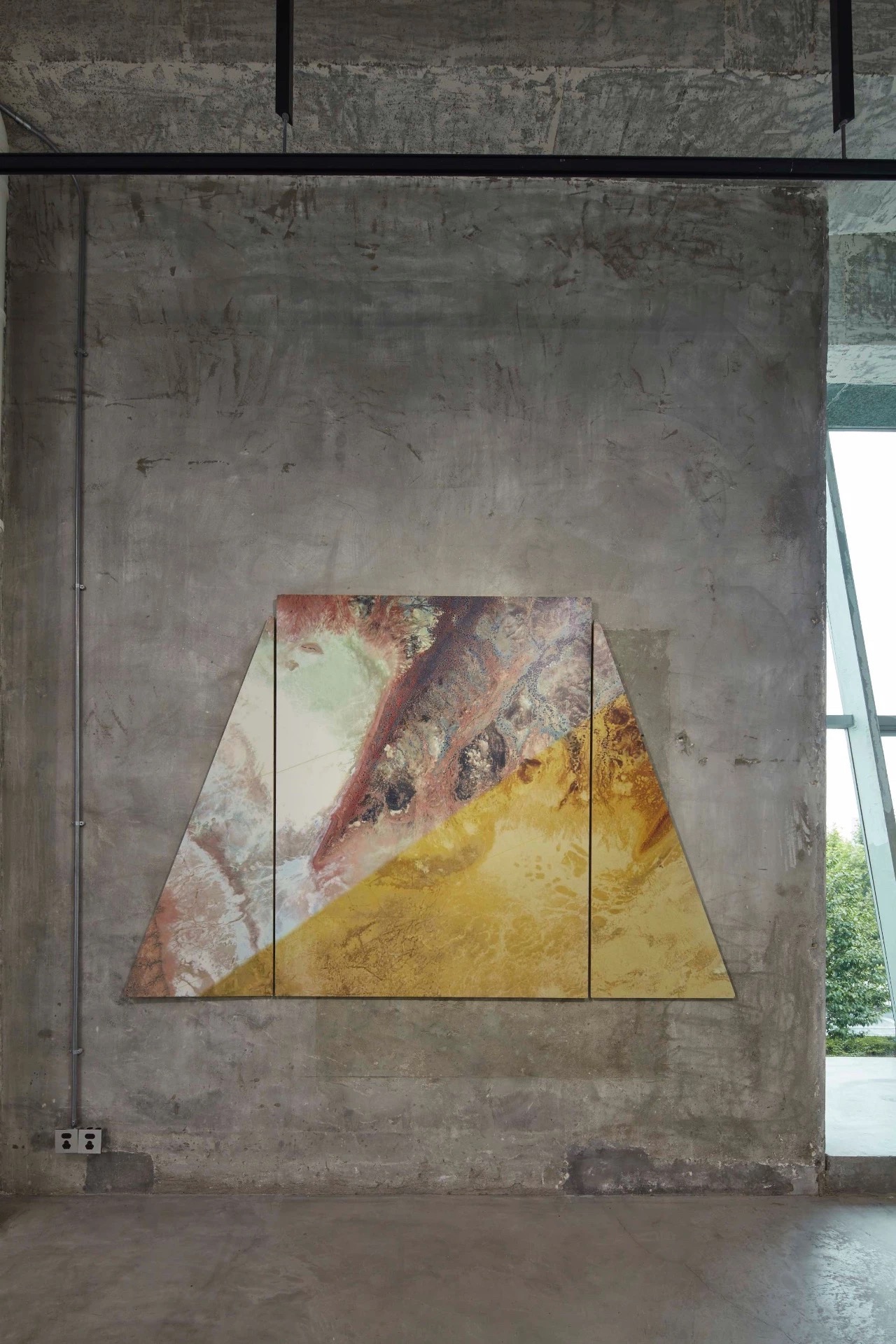
▲View of Izumi Kato's solo exhibition at Perrotin, Shanghai, China, 2019. Courtesy of the Artist and Perrotin.
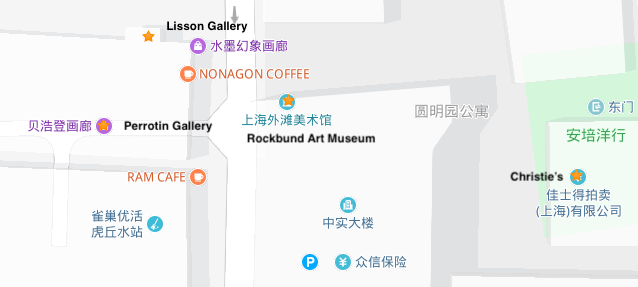
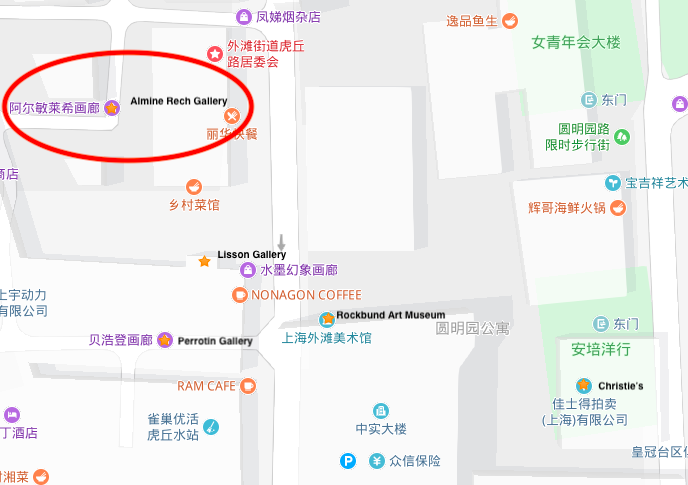
In March 2019, one of the most influential and longest-running international contemporary art gallery, Lisson, opened its new space in Amber Building. Unsurprisingly, the reason for Lisson choice of the place as its Shanghai outstation is its location: the building sits alongside the city’s major art institutions and museums. Take a look of its geography, one would find Lisson locates within a short walking distance to Perrotin and the influential Rockbund Art Museum. Christie's Shanghai's office isn't far from the Amber Building either.
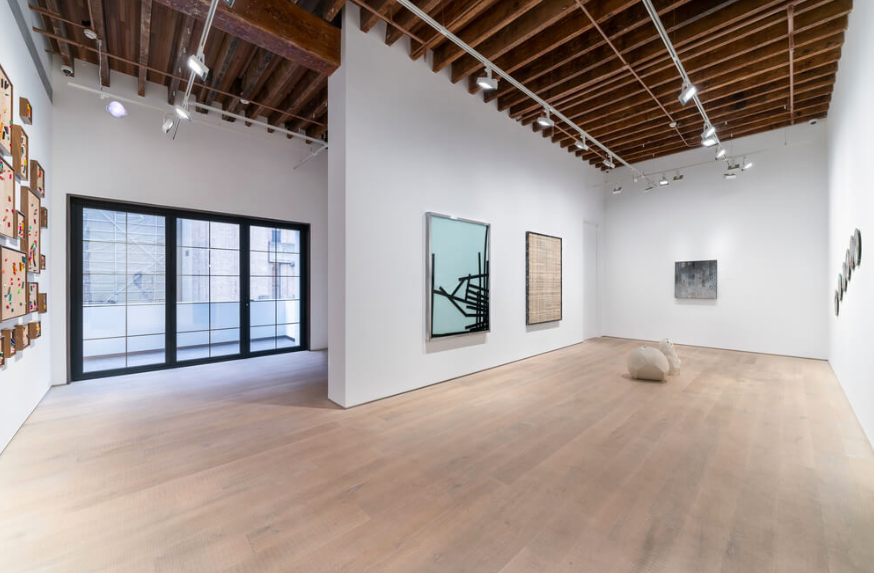
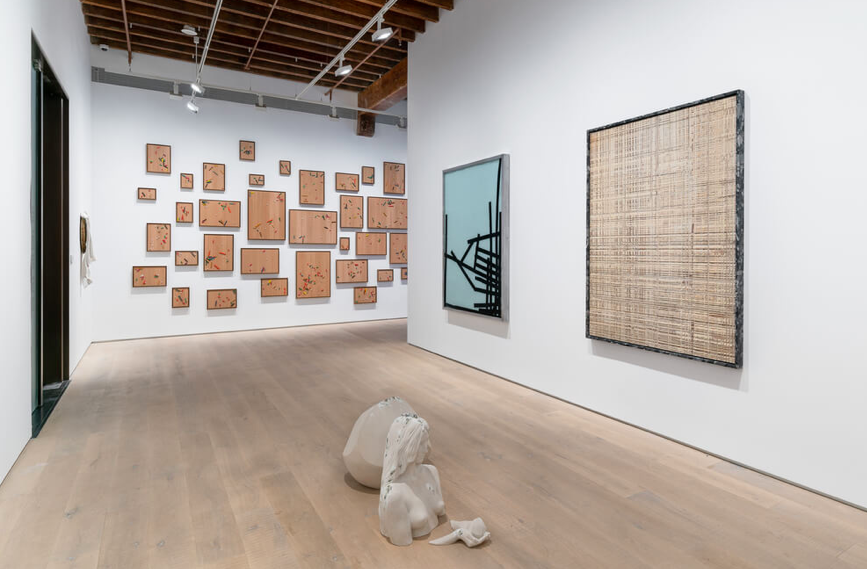
▲View of Ryan Gander’s exhibition “Ryan Gander: I see you're making progress”, Shanghai, China, 2019. Courtesy of Lisson.
This June, another prominent contemporary art gallery, Almine Rech, made its venture into the Amber Building. Housed on the second floor of the architecture, Almine Rech shares the floor with Lisson.
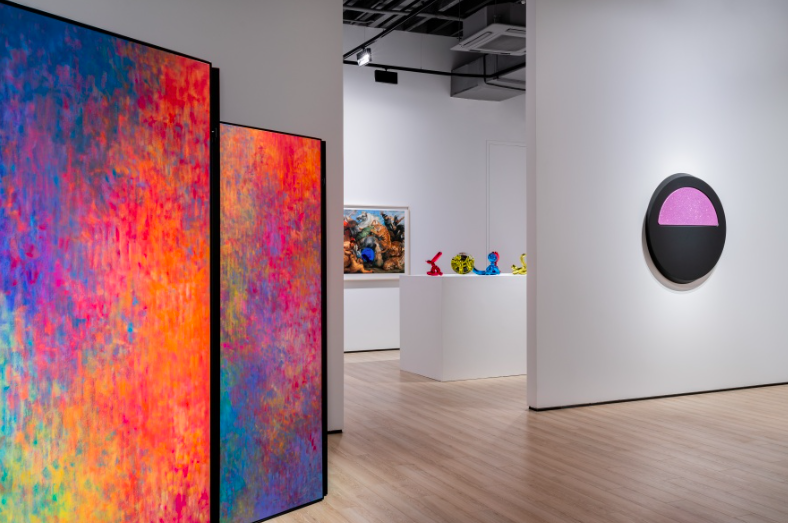
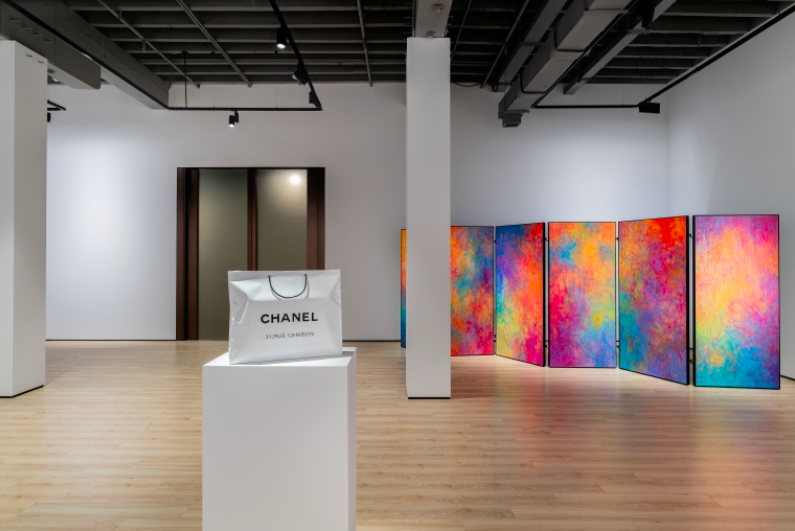
▲View of group exhibition “Approaches to Abstraction”, Shanghai, China, 2019. Courtesy of Almine Rech.
Apart from the arrival of three world-renowned art galleries, other cultural associations are also slowly congregating in the vibrant place as well, indicating the building’s potential to become the city’s next big art centre. Owner of Almine Rech gallery, Almine Rech Ruiz-Picasso, said that she had been interested in the Asian art market over the last decade, therefore expanding to Asia was a decision that came naturally. Today, more and more western galleries recognise China’s big, lucrative and engaged art market. Chinese art collectors differ from relatively mature European and American collectors, in that the Chinese have growing incentives and purchasing powers to expand their personal art collections.
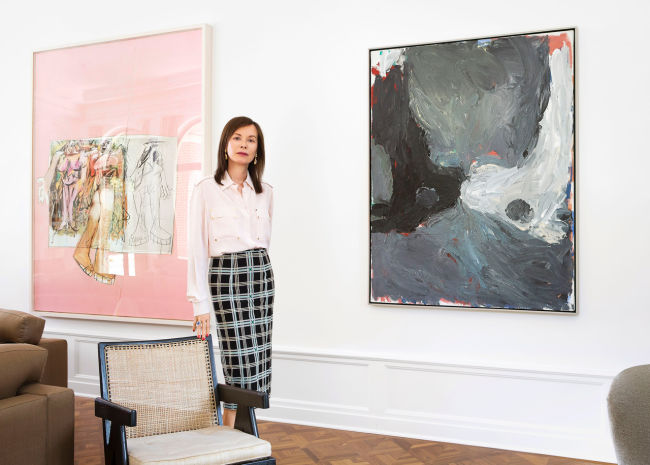
▲Almine Rech-Picasso
For western galleries, merely participating in annual Asian art fairs such as Art Basel Hong Kong is no longer enough. What they recognize is the potential of the Chinese art market. Engaging with locals by situating themselves in the country is the most effective way to establish a presence and businesses. Undeniably, this is the inevitable trend that is sweeping across the global market. Meanwhile,Shanghai situates itself to be a great location alternative for Western galleries to establish their art businesses, especially its competitor, Hong Kong, another Chinese business and cultural hub, has staggering high housing rents that might deter smaller galleries, who are still trying to make their names, from investing.
According to the Art Newspaper’s report on Almine Rech’s Shanghai outpost, the area of Huqiu Road has a sense of life and historicism unparalleled to other places, given its Rockbund Art Museum was rebuilt on the site of the old building “North China Branch of the Royal Asiatic Society”. The road has been known as a “museum road” as it is surrounded by cultural institutions such as library before the year of 1943.
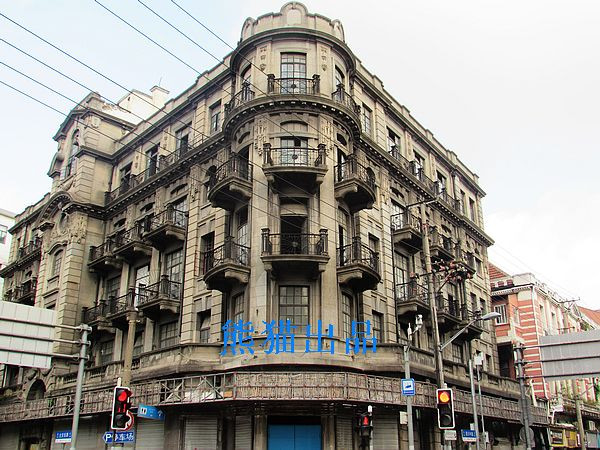
▲Street view of Huqiu Road
Huqiu Road, and especially its Amber Building, is an extremely adaptable and attractive space to house galleries and increase their presence, business and clientele. Galleries like Perrotin,Lisson, and Almine Rech already made their investment in the space, and other galleries who want to make a splash in the Chinese market will and should follow suit.